Grand Theft Auto V: 10 Hidden Details You Only Notice on a Replay
Grand Theft Auto V hidden details and replay secrets offer an immersive, ever-evolving experience, making each playthrough feel brand new.
In the sprawling, sun-drenched metropolis of Los Santos, the world of Grand Theft Auto V continues to captivate players over a decade after its initial release. By 2026, the game's legacy is not just about its groundbreaking scale or record-breaking sales, but about the astonishing depth hidden within its digital streets—details so subtle they often slip by during the frantic first adventure. The true genius of Rockstar's masterpiece reveals itself not in the explosive heists or high-speed chases, but in the quiet, reactive moments that reward the curious, returning player. Why is it that a second, or even third, journey through this story feels like an entirely new game? The answer lies in the layers of detail woven into every interaction, waiting to be peeled back by those willing to look closer.
Trevor's Unwavering Loyalty to Channel X

Driving through Blaine County with the radio blasting is a core GTA experience. But did you know the protagonists themselves have strong musical opinions? This is most violently apparent with Trevor Philips. On a replay, try switching the radio station while he's behind the wheel. His rage is immediate and visceral; he'll curse and frantically search until he lands on Channel X, the punk and hardcore station. Whether he's driving or riding shotgun, Trevor's preference is absolute. It's a brilliant character detail—his chaotic, aggressive personality perfectly mirrored by the station's raw, unfiltered sound. It makes you wonder: is the music fueling his madness, or is it the only thing that makes sense in his fractured world?
The Long Memory of Los Santos Shopkeepers
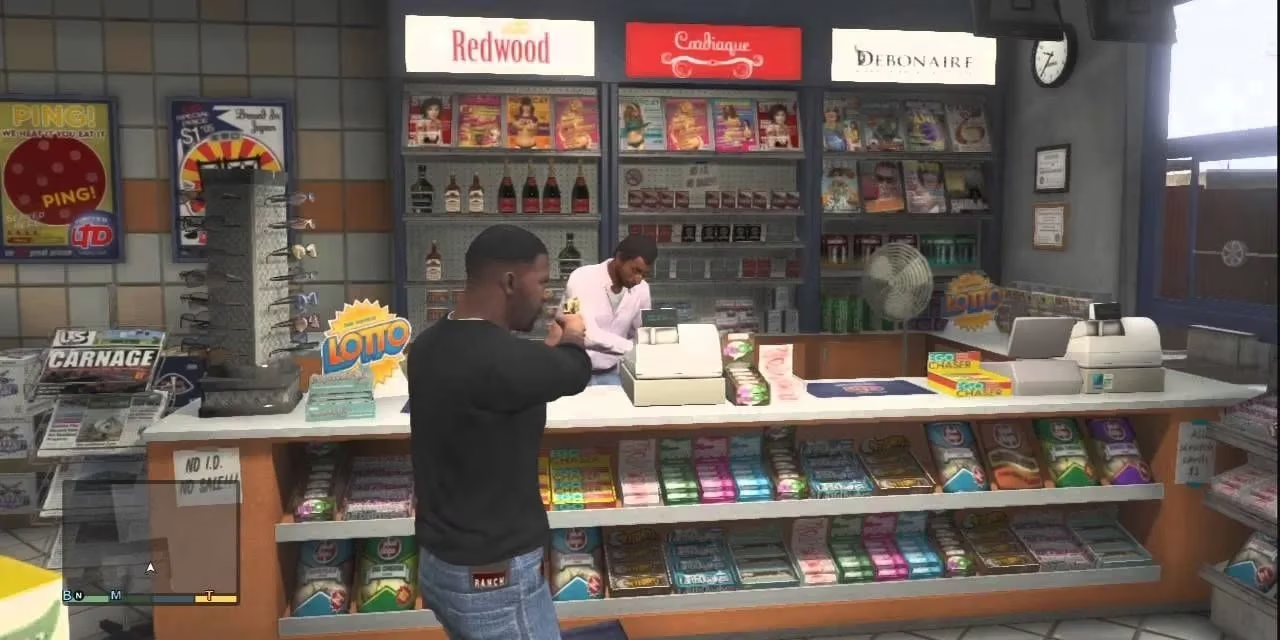
The temptation to rob a convenience store for quick cash is a classic GTA staple. On a first playthrough, you might hit a few and move on. But return to the same store on a replay, and you'll witness the game's impressive memory. Store clerks aren't forgetful. Rob them once, and they'll be nervous. Rob them twice? They remember your face. Walk in a third time, and you might just find the LSPD already waiting for you. This reactive world-building transforms petty crime from a simple gameplay mechanic into a narrative of consequence. It forces you to think like a real criminal: diversify your targets or face the escalating heat.
Mission Dialogue That Changes with Your Choice
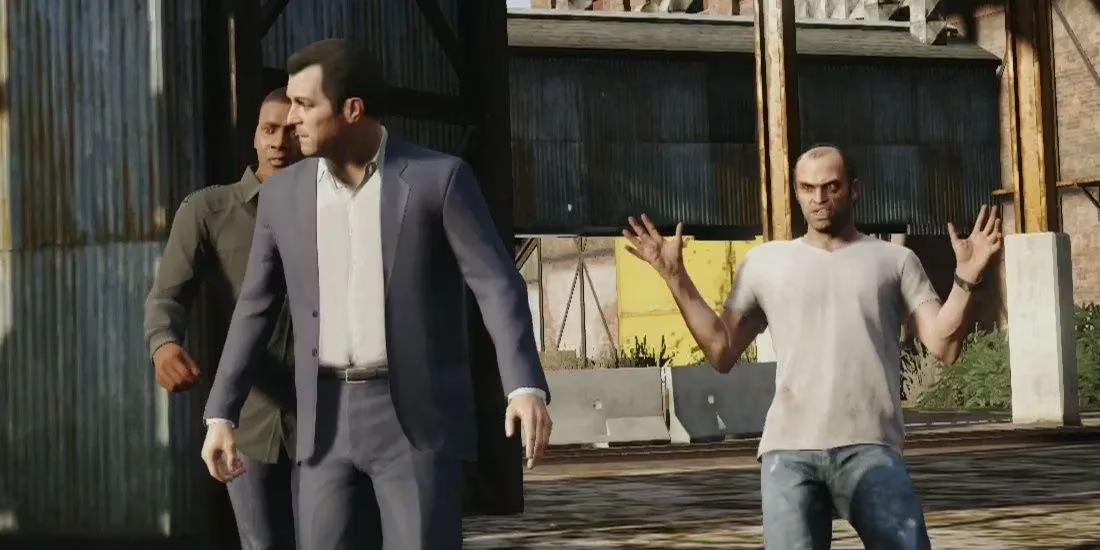
Many story missions are character-locked, but several key heists and activities allow you to choose which of the three protagonists to control. The first time, you likely picked based on a preferred skill set. On a replay, however, try sending a different character. You'll be rewarded with entirely unique opening dialogue. Franklin brings a different perspective to a job than the seasoned Michael, and Trevor's... well, Trevor's approach is always uniquely unhinged. This isn't just cosmetic; it reframes the mission's context and highlights the distinct personalities at play. It's a developer's gift to replayability, asking: how would this scene play out through another set of eyes?
| Character | Typical Mission Dialogue Vibe |
|---|---|
| Michael | Professional, strategic, often cynical or weary. |
| Franklin | Ambitious, observant, trying to prove himself. |
| Trevor | Impulsive, violent, unpredictable, and often hilarious. |
NPCs Notice Your Ride

Vehicle customization is a deep and rewarding rabbit hole in GTA V. On a first run, you might apply a simple paint job. But on a replay, investing serious money into engine upgrades, custom bodywork, and exotic paint finishes yields an unexpected social reward. NPCs in the world will actually stop and admire your car. They'll walk over, offer compliments like "Sweet ride!", and some might even pull out their phones to take a picture. This tiny, immersive touch validates the time and cash spent in Los Santos Customs. Your car isn't just a tool; it's a status symbol recognized by the digital populace.
The Living, Breathing LifeInvader Feed
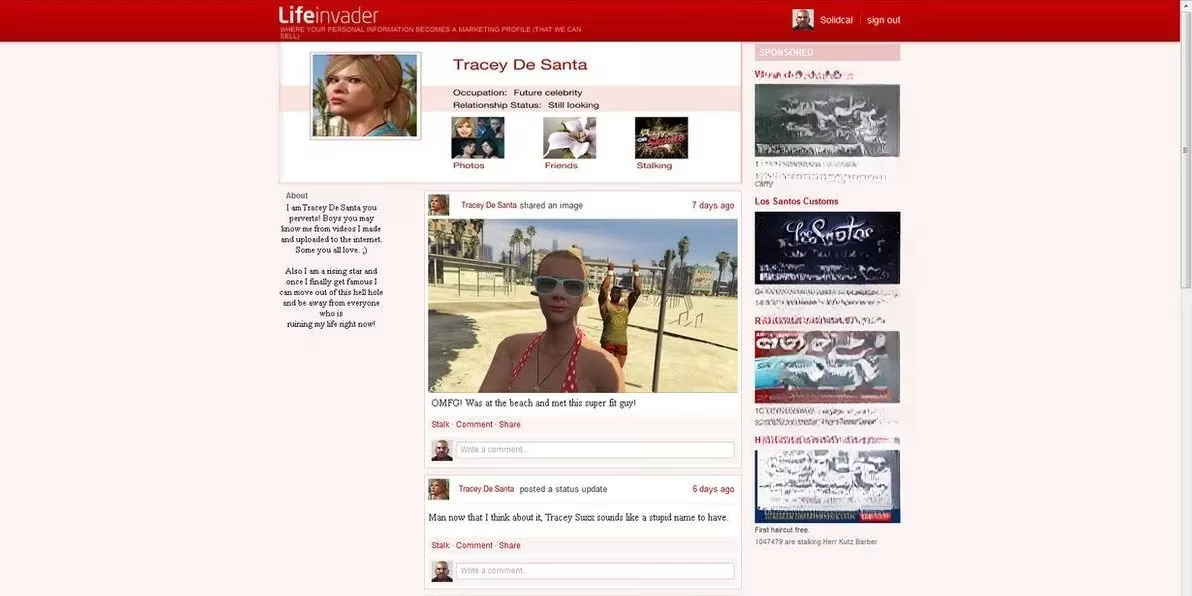
Ignoring the in-game internet on a first playthrough is almost a rite of passage. But on a replay, diving into the LifeInvader social media app is like uncovering a parallel storyline. Character profiles actively update as the game's events unfold. 😲
-
After a major heist, you might see Lamar posting bragging, misspelled status updates.
-
Jimmy, Michael's son, might complain about his family drama.
-
Even minor characters post about world events you've influenced.
Friends and family comment on these posts, creating a dynamic, living social circle. It's a staggering amount of bespoke content most players never see, adding rich context to the world and its inhabitants.
Michael's Anachronistic Phone
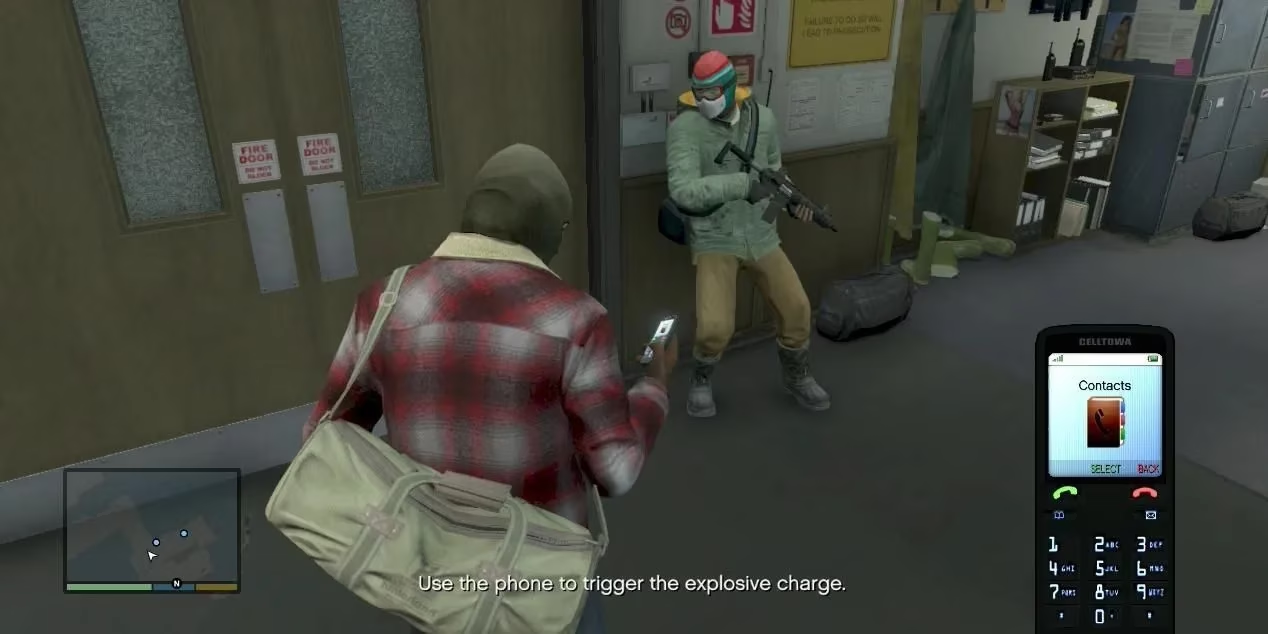
The prologue mission, set in the snowy town of North Yankton, takes place in 2004. In your first playthrough, the urgency of the botched bank robbery overshadows everything. But on a replay, a quiet detail stands out: Michael's phone. While in the present day all characters use sleek smartphones, young Michael is using a bulky, button-style cell phone straight out of the mid-2000s. This subtle piece of period-appropriate tech is a masterclass in environmental storytelling. After hours of using modern in-game phones, seeing this relic immediately grounds the flashback in a specific time, long before the high-life chaos of Los Santos.
Diving Deeper into a Dysfunctional Marriage
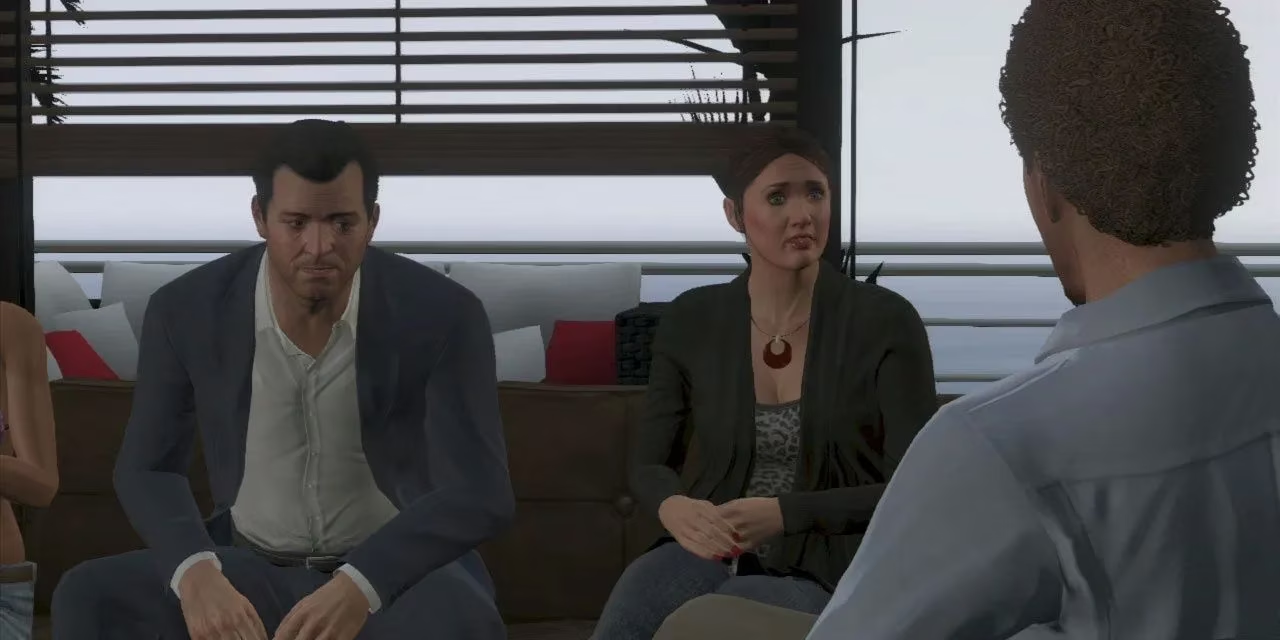
Michael and Amanda Townley's marriage is a train wreck played for both drama and comedy. A replay allows you to explore its ruins beyond the main story. An optional activity lets Michael take Amanda out for a drink. What seems like a simple diversion unlocks a torrent of new, poignant dialogue. They discuss their failures, their lost love, and the deep-seated resentment that defines their relationship. It's a raw, human moment amidst the cartoonish violence, offering a heartbreaking explanation for their misery. You move from seeing them as caricatures to understanding them as tragically flawed people.
Provoking the Ultimate Hospital Bill
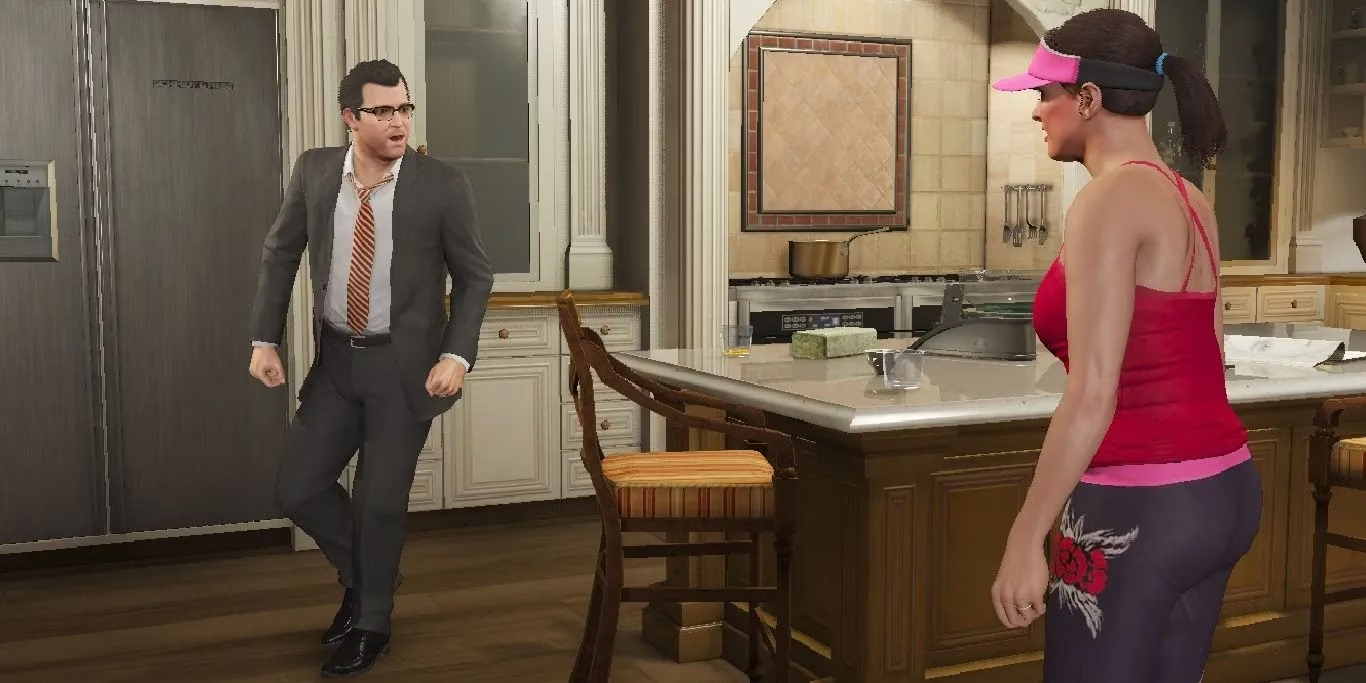
Speaking of Amanda, her nagging can grate on players. On a replay, you might be tempted to... express your frustration. If you switch to Franklin or Trevor and physically knock Amanda down (admittedly a harsh move), the game reacts brilliantly. Michael will erupt with unique, angry dialogue defending his wife. Later, you'll receive a message—not from a hospital, but from Amanda herself. It's a meticulously itemized and sarcastically angry hospital bill for her treatment. This chain of cause-and-effect, from action to character reaction to tangible in-game consequence, is the kind of darkly humorous, systemic storytelling you only experiment with when the narrative pressure is off.
Michael's Unfiltered Therapy Sessions
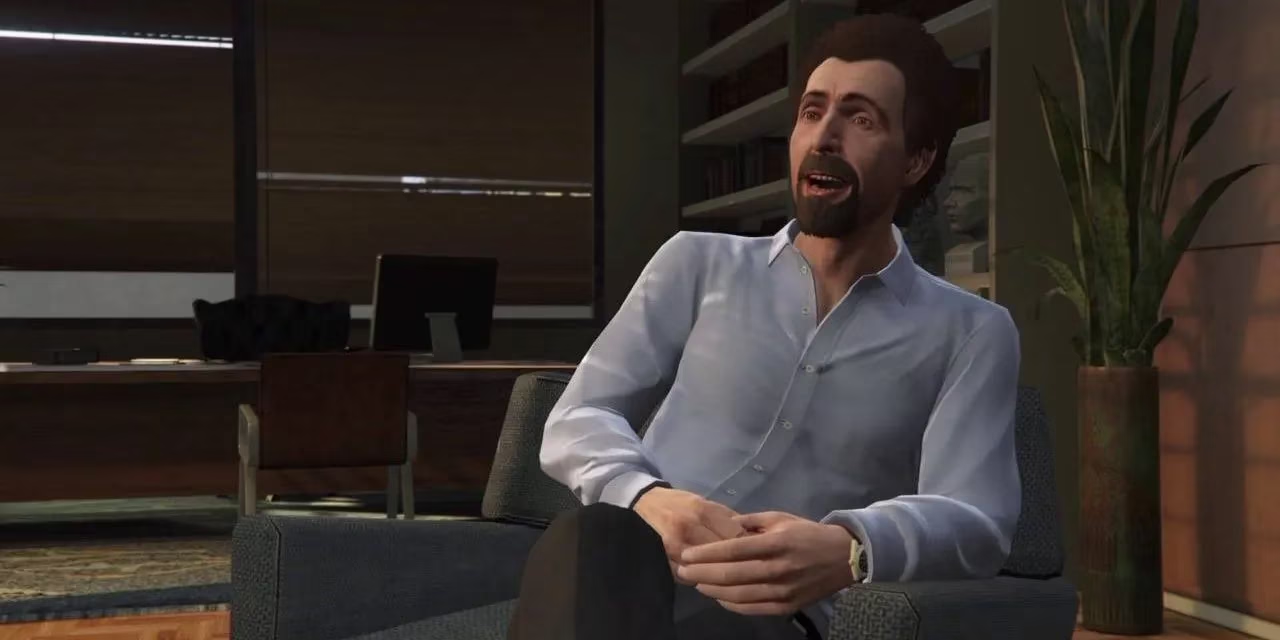
Dr. Friedlander's phone calls are often an annoyance to be ignored. But on a replay, actually attending Michael's therapy sessions is revelatory. In these private conversations, Michael lets his guard down. He doesn't just talk about his family; he references specific side activities you have done with him. 🎮
-
Go on a killing spree? He'll mention feelings of uncontrolled rage.
-
Complete random stranger missions? He might discuss his complicated morality.
These sessions act as a dynamic reflection of your gameplay, making Michael's psychological state feel directly tied to your actions outside the main quests.
The Consequences of Harassing Your Friends
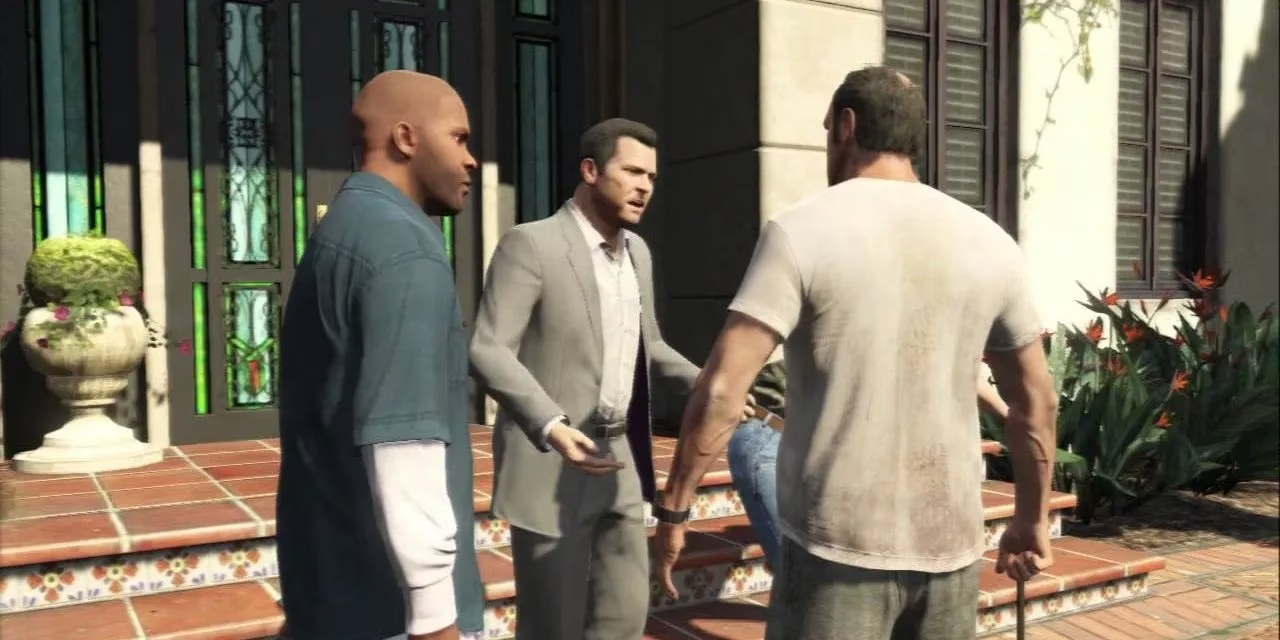
The fragile alliance between Franklin, Michael, and Trevor is the game's core. A first playthrough is about building that alliance. A replay is about testing it. Find the vine-covered house of Michael in Vinewood Hills, or Trevor's trailer in Sandy Shores, and open fire while playing as one of the others. The response is instantaneous and personal. Your phone will buzz with furious texts or calls. "WHAT THE HELL ARE YOU DOING?!" "STOP SHOOTING UP MY HOUSE!" It’s a hilarious and immersive detail that reinforces their personalities—Michael's entitled fury, Trevor's paranoid rage, Franklin's exasperated disbelief—and reminds you that these are characters with lives and property, not just player avatars.
In 2026, Grand Theft Auto V stands not merely as a game, but as a meticulously crafted digital ecosystem. These ten details, and countless others, are its hidden language. They reward patience and curiosity, proving that Los Santos's greatest secrets aren't found in its bank vaults, but in the reactive, breathing world that exists between the missions. The first playthrough is for the story. Every replay after is for the story the world has been telling you all along.